
Health & Wellness During Pregnancy
Supplements
Prenatals
Finding a prenatal is probably one of your first steps. You will most likely want to go to the drug store or grocery store and buy a prenatal off the shelf, but before you do, you should conduct some research. Most doctors want to make sure you take folic acid as it helps prevent the risk of neuro tube defects. Folic acid is a synthetic replicant of the naturally occurring compound Methylfolate. Since folic acid is synthetic, our bodies may not be able to process it, leaving much of it unprocessed in our bloodstreams. This can have negative effects on our health and potentially increase the risk of cancer. Synthetic folic acid can also mask the symptoms of a vitamin B12 deficiency, which can be dangerous as it can lead to neurological problems if left untreated. In pregnant women, excessive folic acid intake has been linked to potential adverse effects on offspring, including autism risk. There are also concerns about the impact of high folic acid levels on epigenetic mechanisms and inheritance. Did you know the number one selling prenatals are often in gummy form! Crazy, think about what you are taking and do your research.
I recommend the following brands, but I am sure there are more out there that I haven't looked into yet.


 We Heart Nutrition®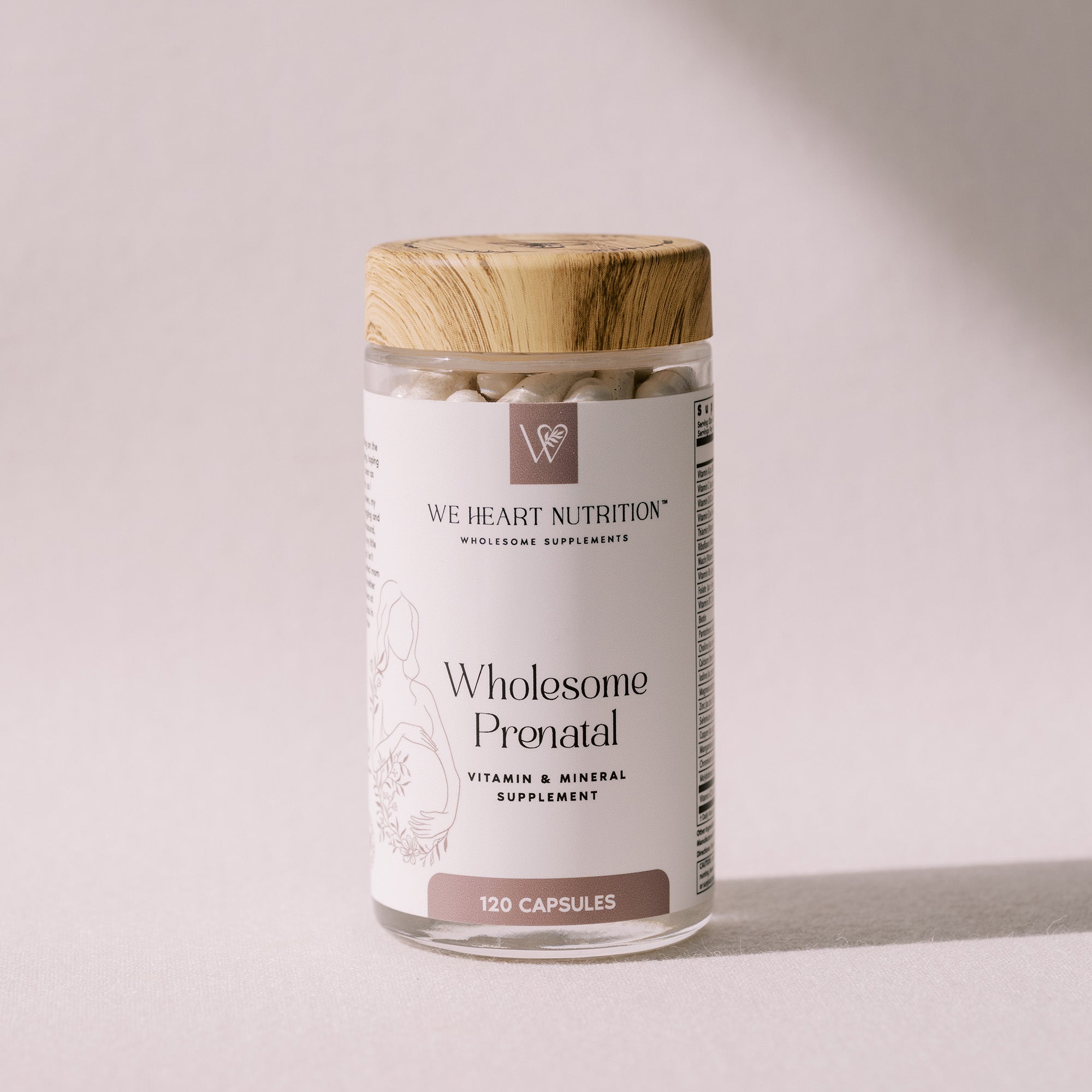
 this-is-needed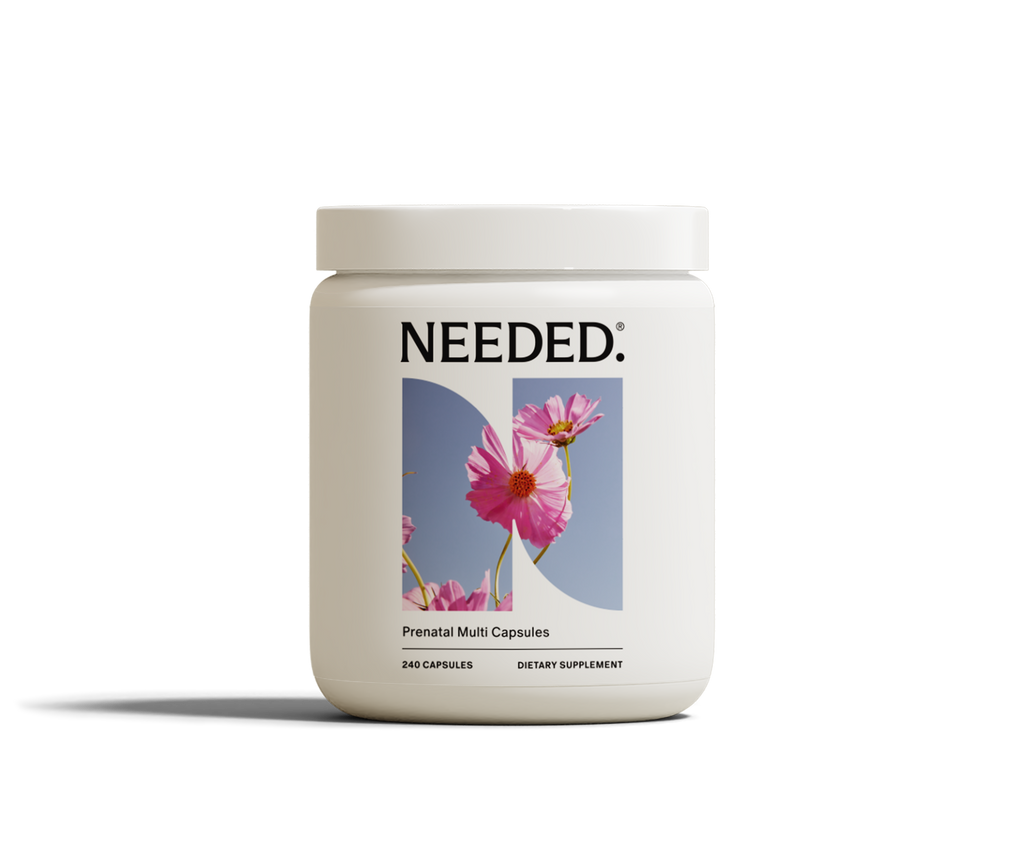
Vitamins
To start, you should remember that vitamins are to help you with what you are deficient in. You should first try to create a diet that benefits your body and your baby's needs. With that being said, you should be making sure you are getting the following vitamins, but do not exceed more than the recommended amount and always check with your provider before you take vitamins and supplements.
Calcium(1000 mg) is vital to keeping your bones strong and maintaining the necessary functions of the body.
Magnesium(500 mg) is considered to be an important relaxation mineral and is even known for helping with many symptoms, including but not limited to cramps, insomnia, anxiety, headaches, high blood pressure, and constipation.
Vitamin D: Low levels of Vitamin D have been linked to Gestational Diabetes, Preeclampsia, and lower bone mass and growth by age 10 in children born to mothers deficient in Vit D. Dosage of Vitamin D recommended: 1000IU/day (people with Minimal sun exposure are at increased risk of low VitD)
Raspberry Leaf Tea: 2 cups per day OR may take 2 raspberry leaf capsules once per day: Daily use has been shown to have many benefits, including but not limited to: reducing morning sickness, development of a strong toned uterus and the muscles of the pelvic region, reduce stretch marks, reducing pain during labor and birth
Omega 3's: The most biologically active omega-3 fatty acids are eicosapentaenoic acid (EPA)(Ex: Salmon, trout, anchovies, sardines) and docosahexaenoic acid (DHA)(Ex: Salmon, walnuts, flax seed). Both have been shown to have multiple benefits effects, including but not limited to: improving childhood development when ingested during pregnancy.
Probiotic: Probiotic use in pregnancy is has been shown to have many benefits. Improve immune function, reduce the risk of urinary tract infections, Decrease constipation and diarrhea, Improve absorption of beneficial fatty acids and nutrients from our diet, helps maintain a proper vaginal pH which may help prevent and help cure yeast infections and bacterial vaginosis. Probiotics exist in many strains. Most of the probiotics beneficial to our intestinal tract health is found in high-quality yogurts and have names like Lactobacillus acidophilus and Lactobacillus casei. Strains found to target the female lower genital tract and aid in digestion include names such as L. rhamnosus GR-1, L reuteri RC-14, and Saccharomyces boulardii.. Dosages: As directed or once daily until 28-30 weeks, then increase dose for digestive health and possible prevention of GBS at term to 2-3 times a day until delivery. Here is the link to the one I take: https://vitanicapro.com/all-vitanica-supplements/femecology-vaginal-and-intestinal-probiotic/
Can use Raw Apple Cider Vinegar as a probiotic as well. Common dosages range from 1-2 teaspoons (5-10 mL) up to 1-2 tablespoons (15- 30ml) per day. The health benefits of ACV are numerous, including but not limited to helping regulate sugar metabolism, balancing pH in the body to also help with skin irritation/acne.. 1-3 TBSP at bedtime with an evening snack has been shown to help lower morning fasting blood glucose. Adding 1-2 tsps to a glass of water and sipping on it has also been shown to help with nausea.
 Erica Berlin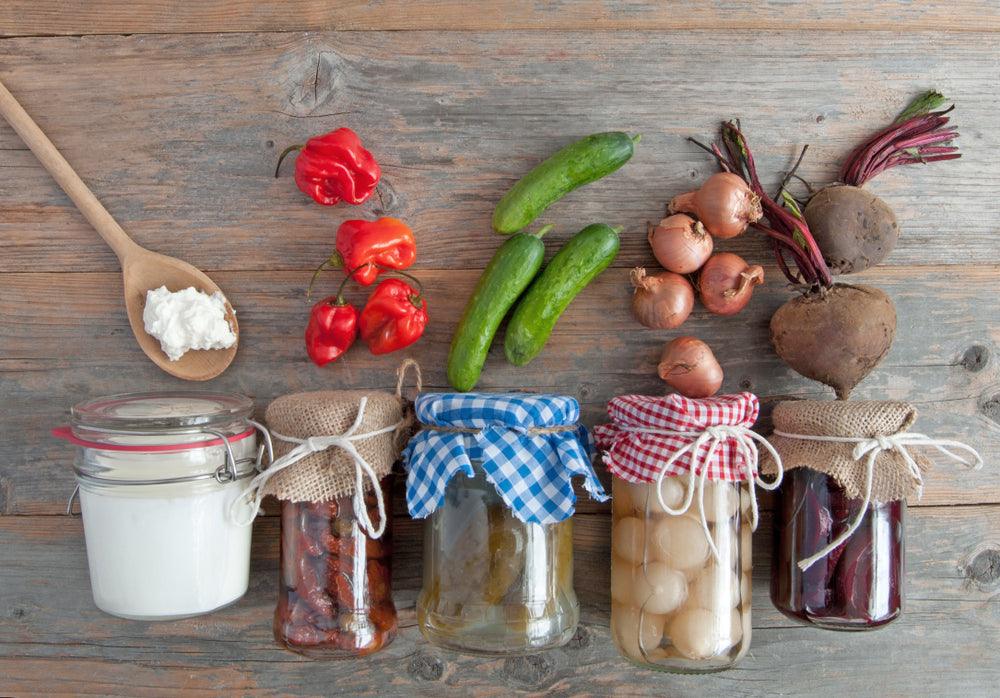


Exercise
Is it Safe?
Exercise before pregnancy is obviously safe. Exercise during pregnancy is also considered safe. It is recommended that if you already exercise, you can keep it up. If you don't already exercise, it is a great time to start. The basic guidelines your doctor or the internet will tell you is that you should not be out of breath, lift more than 25 lbs, raise your temperature above 100 degrees, or increase your heart rate above 140. I would agree with most of these, but just as our pregnancies are all different, so should our guidelines be. If you were doing CrossFit before pregnancy or lifting heavy weights regularly, you may still do so with modifications, of course.
I personally lifted the same for most of my first trimester as I did before. I even hit a new max squat at around 10 weeks pregnant. But as I started to notice my ab separation (diastasis recti) and my bump grew, I had to make some modifications. You should not jump, which I removed from my workouts around my second trimester. It also recommended that you do not squat more than 25 lbs, which I do not do traditional barbell squats to prevent any issues with my back or cervix. I also stopped doing pull-ups, burpees, and push-ups during my first trimester because I found it hard to brace my core properly during those exercises, not to mention the risk of lying on my stomach. I fortunately had good energy and did not get sick during my first trimester, so I haven't missed a workout yet, and I still train all muscle groups.
Exercise is not only great for your health and for helping you in labor and postpartum recovery, but it can also set your child up for success. Studies suggest that regular exercise can improve placental function, enhance fetal development, and reduce the likelihood of certain birth defects and complications. I have also read that exercising during pregnancy can increase cognitive function or your baby, crazy!